N°05 · Brand · Brand content
Red Bull no longer sells cans.
In thirty years, Red Bull stopped selling a drink to become a production studio, a TV channel and an empire of sporting events. The can is now just a logo placed on top of the spectacle.
- Subject
- Red Bull
- Period
- 1987 → 2026
- Angle
- Brand content & media
- Author
- N.D.F
- 9 min read
The drink is only a pretext
When you drink a Red Bull, you’re not buying a taste. You’re buying access: a Formula 1 podium, a dive off a cliff, a man jumping from space. The drink is almost a detail. It’s the entry ticket to a spectacle the brand produces itself.
It’s the reversal few brands dare to make. Coca-Cola sponsors events. Nike dresses athletes. Red Bull, on the other hand, owns the events, the teams and the channels that broadcast them. It didn’t buy space in the media: it became a medium.
The official mission is caffeine and taurine in a 250 ml can. The real business is attention. And Red Bull learned to manufacture attention on an industrial scale. In 2007, it created Red Bull Media House, a genuine production company: video, photography, a magazine (The Red Bulletin), a TV channel (Servus TV), a record label (Red Bull Records). A drinks brand structured like a Hollywood studio.
Content hosted by YouTube. It only loads if you click.
The content is the product
The logic fits in one sentence. Rather than paying media to talk about it, the brand becomes the medium everyone is talking about. The content doesn’t advertise the product, the content is the product. The can funds the spectacle, the spectacle sells the can. A closed loop that runs on its own.
It’s the definition of brand content pushed to its limit. Not « a brand that makes content, » but « content so strong you forget there’s a brand behind it. » A Red Bull video of a wingsuit flight through a canyon is watched for the flight, not for the logo. And that’s exactly why the logo wins.
Create the event, don’t sponsor it
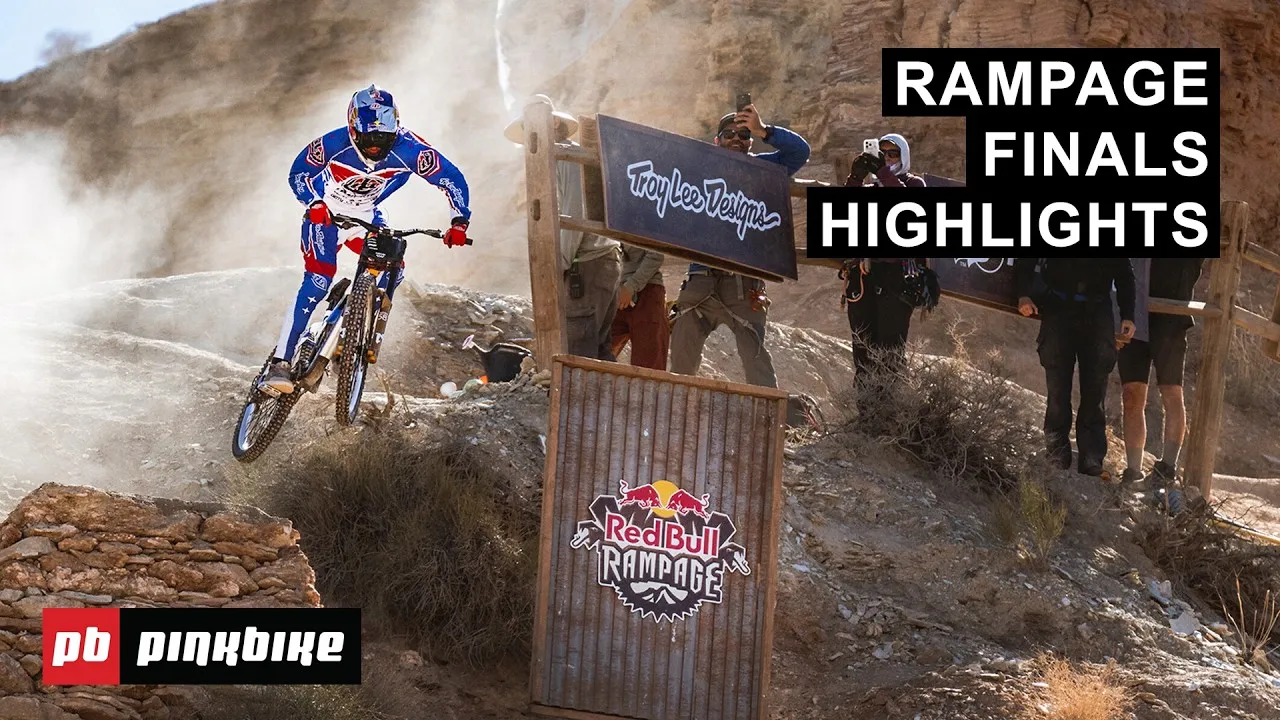
The other pillar is the refusal to rent visibility. Red Bull doesn’t buy a banner at someone else’s event, it invents its own. Red Bull Rampage in freeride mountain biking, the Cliff Diving World Series, Crashed Ice, the Flugtag, the Soapbox Race… formats it owns, that exist nowhere else, and into which no competitor can buy its way with a cheque.
And when it enters an established sport, it buys the entire team, not a logo on a jersey. Red Bull Racing in F1 with several world titles, RB Leipzig, Salzburg, the New York Red Bulls, Bragantino. Owning rather than sponsoring means owning the story, the images, the fanbase and the calendar. The sponsor is a guest. The owner writes the rules.
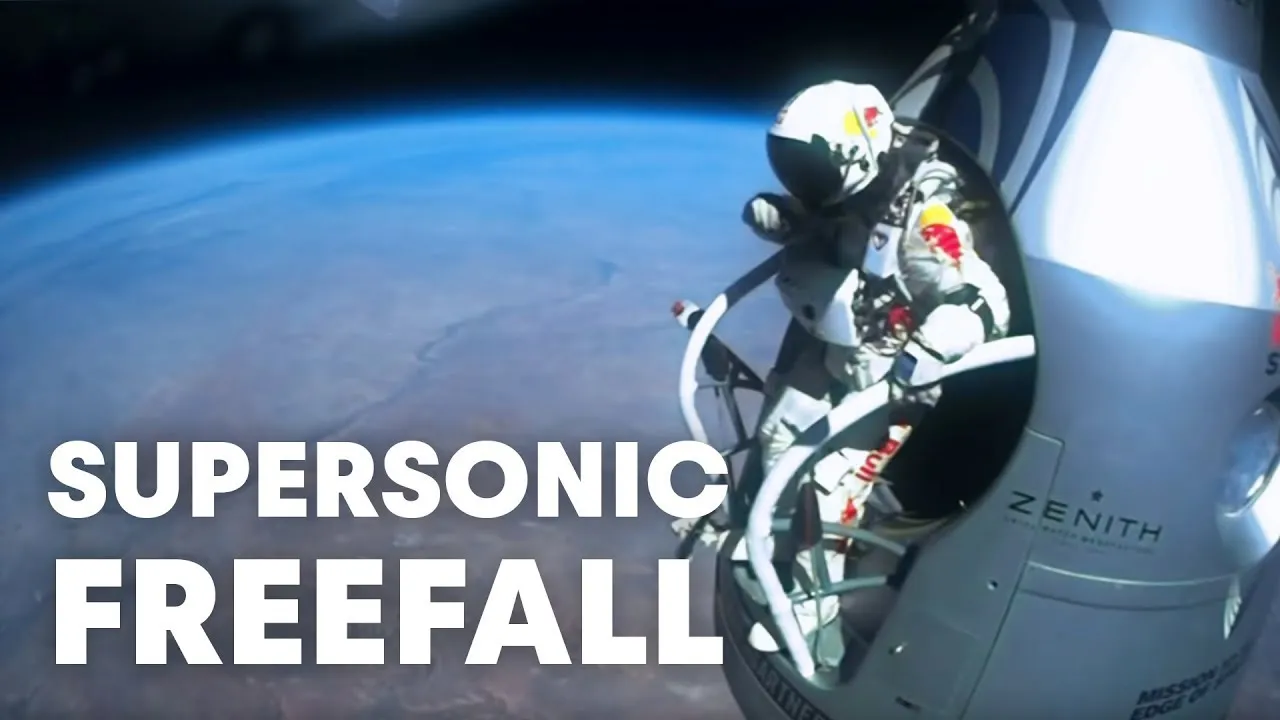
Stratos is the peak of this logic. October 2012: Felix Baumgartner jumps from the edge of space, at 39 kilometres of altitude, and breaks the sound barrier in freefall, live. 8 million people watch simultaneously on YouTube, a record for the time, sixteen times the previous one. No thirty-second ad could have bought that. Red Bull didn’t buy the moment, it created it. Today, that footage has accumulated close to a billion views.
Others buy
space in the media.
Red Bull is the medium.
The product becomes invisible
The paradox: the more Red Bull invests in content, the less it talks about its drink. No close-up on the ingredients, no taste argument, barely any product in the spectacular films. The can appears as a discreet signature, sometimes just the logo in a corner. The product fades behind the emotion.
Because Red Bull doesn’t sell a liquid, it sells an idea: energy, risk, pushing your limits. « Red Bull gives you wings » isn’t a promise about caffeine, it’s a promise about life. And an idea sells at a far higher margin than a taste.
This is where the strategy becomes a textbook case for anyone in communication: when your content is strong enough, you no longer need to push the product. The product becomes the natural conclusion of a story people already love. You don’t sell. You let people buy in.
Content hosted by YouTube. It only loads if you click.
What I take from it
First lesson: a strong brand doesn’t talk about its product, it tells a world. On social media, the account that only pushes promos dies. The one that builds a universe, a recurring format, a recognisable emotion, endures. Think in content pillars, not advertising posts. The product will settle on top of them.
Second lesson, and it speaks directly to the events world: creating your own format always beats sponsoring someone else’s. Rather than buying a booth at a third party’s event, invent the occasion your community will associate only with you. A signature format is an asset you own. A sponsorship is rent you pay.
Third lesson: the best brand content doesn’t look like advertising. The day your content is watched, shared and saved for its own sake, the brand has already won. Aim for content that would survive without the logo, because that’s precisely the content that makes the logo unforgettable. Value comes before visibility.