N°07 · Brand · Social media
Duolingo killed its mascot.
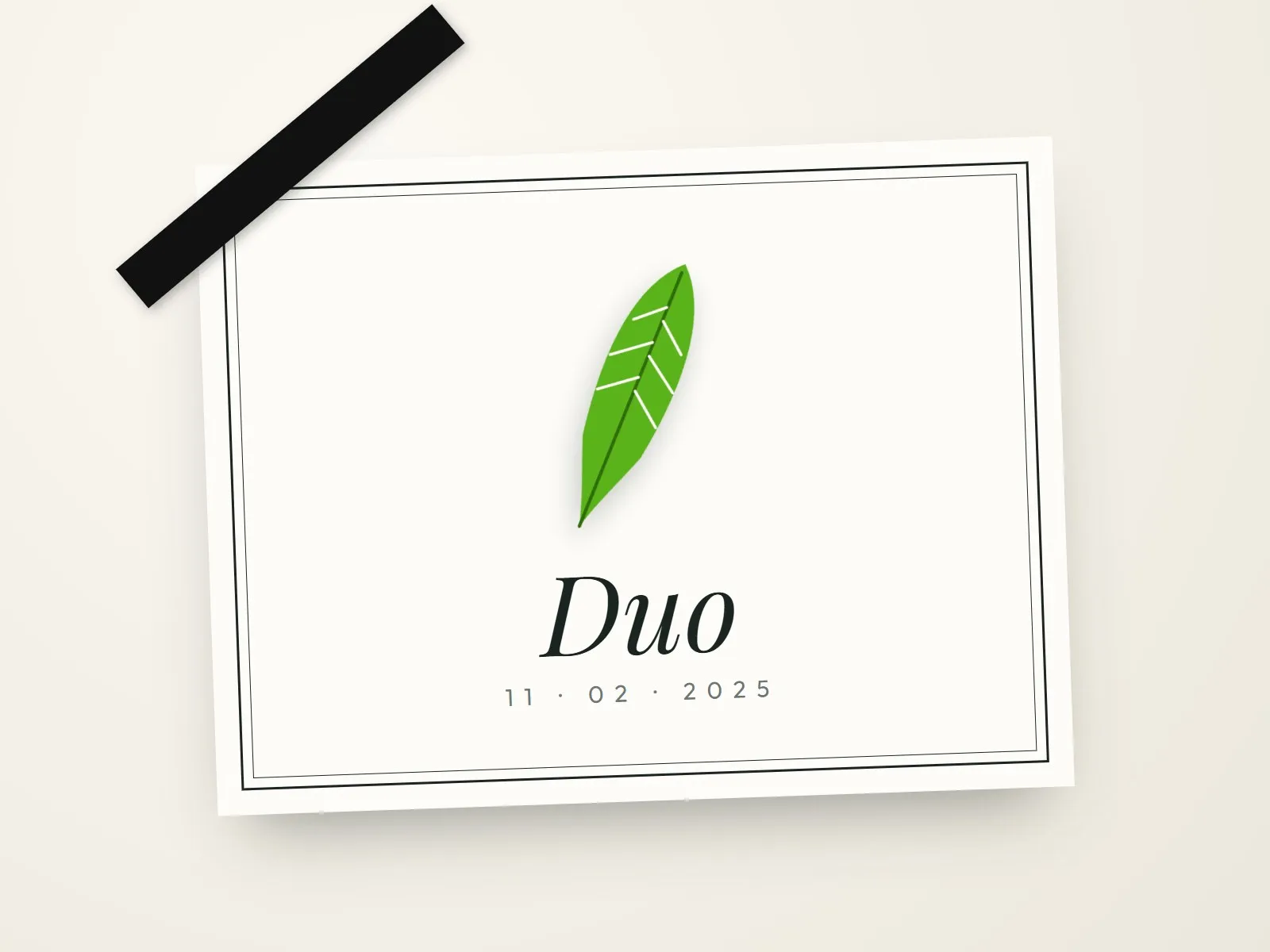
On February 11, 2025, a brand announced the death of its own character. Not a rebrand, not a redesign: an obituary. And millions of people replied.
- Subject
- Duolingo
- Period
- February 2025
- Angle
- Community management
- Author
- N.D.F
- 5 min read
Some brand characters are tolerated, others are loved to be hated. Duo, Duolingo’s green owl, belongs to the second group. For years it has haunted the notifications of millions of learners with an insistence that became a meme: “These reminders don’t seem to be working. We’ll stop sending them for now.” Behind the politeness, a barely veiled threat. The internet did the rest, turning the owl into a cult stalker.
On February 11, 2025, Duolingo caught everyone off guard: Duo was dead. The brand announced it on social media in the tone of an obituary, and the cause of death officially remained a mystery. The implication was crystal clear: someone, somewhere, had skipped their lesson.
Killing your most precious asset
On paper, it makes no sense. Duo is the company’s most recognisable element, far more than its name or its logo. Removing it, even as a joke, means risking breaking what works. Except that Duo’s death takes nothing away: it adds a chapter to a character the public already knows by heart.
That is where the campaign is brilliant. It does not speak to strangers but to a community that built the legend of the menacing owl itself. Announcing its death gives that community a role in the story: investigating, accusing, mourning, joking. People are not watching an ad, they are acting in a play whose characters they already know.
“You can only kill a character
people truly love.”
A story written by thousands of hands
What stands out is how fast it spread. Within hours, other brands posted their condolences, creators built theories about the culprit, and comment sections turned into a collective investigation. Duolingo barely had to produce anything: the conversation wrote itself, because the starting point was simple, visual and absurd.
And the brand kept control of what came next. It quickly tied the plot to its product: doing your lesson became a way to take part in the story. The real message, come back and learn, was hidden inside the game. A few weeks later, the owl came back, like any good series character.
Why it works, and why it is rare
This campaign was not luck. It rests on years of consistency: an offbeat tone fully embraced on TikTok, a character with a real personality, a social media team allowed to take risks. Without that capital, the announcement would have been just a strange post. With it, it became an event.
That is also why the recipe is hard to copy. A brand that kills a mascot it never made exist gets silence, or worse, indifference. Duo’s death was the reward for long groundwork, not a shortcut.
What followed proved the point: in spring 2025, the company’s announcement of an “AI-first” shift drew a wave of criticism from that very same community. Goodwill is earned slowly and spent fast: it depends as much on what a brand does as on what it posts.
What I take from it
For my own projects, three lessons. First, a character beats a logo: you talk with a character, you don’t talk with a logo. Second, the best campaign gives the audience a role: investigating, reacting, remixing. Finally, boldness is prepared: you can only surprise a community once it has learned to know you.
And one question to keep in mind before every “crazy” idea: does my audience already have the keys to play with me? If the answer is no, it is not yet time to kill the owl.